person_add Create An Account phone Call 1-888-250-4659
lightbulb_outline

Workplace Safety Solutions

Comprehensive solutions designed for your industry's specific risks and operational needs.

new_releases New

OSHA Recordable Reduction

Proactively lower your OSHA recordable incident rate with our expert on-site response and documentation services.

Learn More arrow_forward

Solutions by Use Case / Need

Most Popular
location_on
On-Site Services

Access safety and health services directly at your worksite for ultimate convenience and efficiency.

trending_down
OSHA Recordable Reduction

Improve safety ratings and lower costs by proactively managing and reducing recordable incidents.

local_fire_department
Emergency Response

Deploy our rapid response teams for immediate medical care during workplace emergencies.

gavel
Liability Reduction

Mitigate risks with pre-employment health screenings and compliant documentation.

no_drinks
Drug-Free Workplace

Implement comprehensive substance use testing programs to maintain a safer workplace.

favorite_border
Life-Saving Training

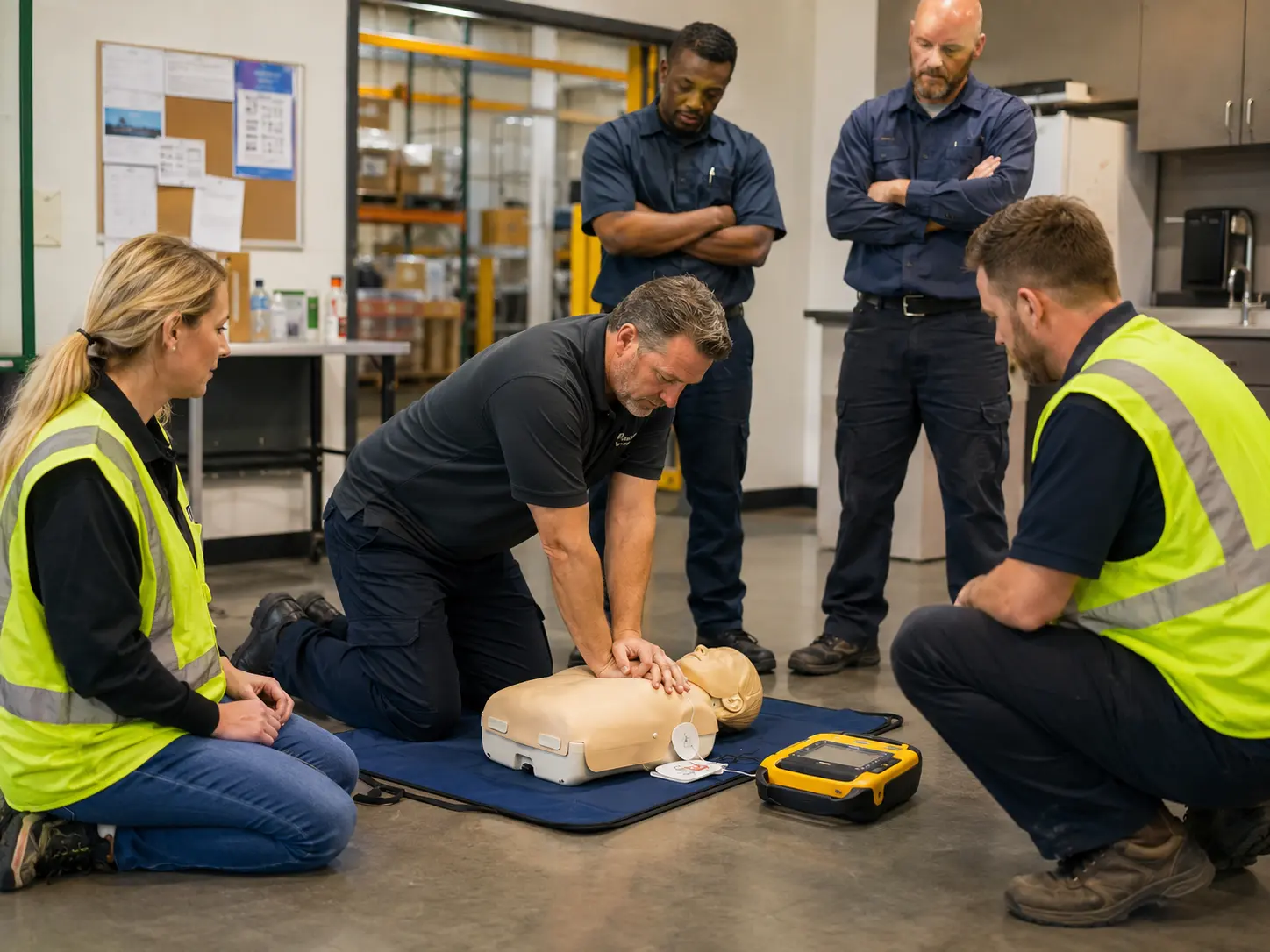
Equip your team with CPR/AED & First-Aid training for vital emergency preparedness.

Recommended
medical_services
On-Site First Aid

Benefit from immediate first aid response available directly at your workplace.

verified_user
DOT Drug & Alcohol Testing

Meet Department of Transportation drug testing regulations efficiently and accurately.

masks
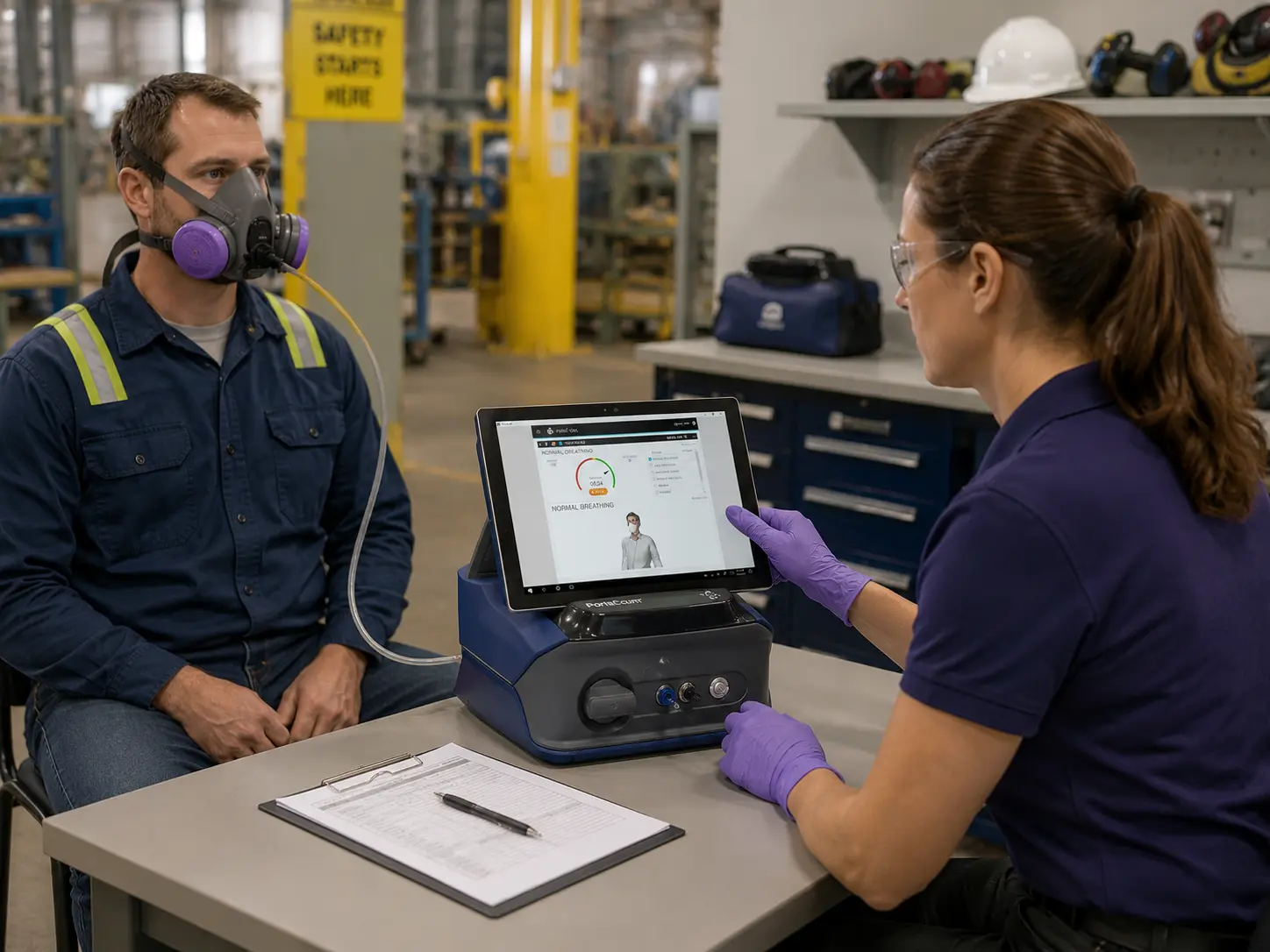
Respirator Fit Testing

Ensure respiratory protection meets safety standards with our certified testing services.

science
On-Site Drug Testing

Utilize our convenient, accurate drug screening services performed at your location.

Trending
wb_sunny
Heat Illness Prevention

Protect workers from heat stress with proactive monitoring and prevention programs.

Solutions by Industry

Top Industry
precision_manufacturing
Manufacturing

Implement comprehensive safety protocols for production facilities with our expertise.

construction
Construction

Address unique site risks with specialized safety services for the construction sector.

High Demand
warehouse
Warehouse & Distribution

Enhance safety in logistics and storage facilities with our targeted solutions.

local_shipping
Transportation

Ensure DOT compliance and operational safety in logistics and transit operations.

set_meal
Food Processing & Mfg

Ensure compliance and worker safety in food production with specialized services.

format_paint
Painting Contractors

Address specific hazards faced by painting professionals with our safety programs.

local_hospital
Healthcare

Enhance safety standards in medical and care environments with our tailored programs.

biotech
Laboratory Safety

Implement specialized protocols to manage risks in laboratory environments.

Solutions by Organization Type

Enterprise-Grade
business
Enterprise

Deploy scalable, comprehensive safety solutions across large organizations.

Growing Segment
store
Small & Medium Business

Access tailored, affordable safety solutions designed for SMB needs.

account_balance
Public Sector

Implement robust safety programs for government agencies and institutions.

rocket_launch
Startups

Build a strong safety foundation from the ground up with our flexible solutions.

price_check

Flexible Pricing

Transparent, pay-as-you-go pricing with no hidden fees. Find the right plan for your business size and needs.

location_on

Service Areas

Find QuickCare services in your area. We serve the Bay Area, Northern California, and expanding to Georgia.

View All Service Areas arrow_forward
star Primary Service Area

California - Bay Area

Alameda San Francisco Santa Clara +6 more
View Full Service Map
travel_explore

Service Coverage Map

Visually explore our service areas, check response times, and see how we support your industry across the Bay Area.

Initializing Map...
Legend
Active Service Area
Limited Service
place
Counties Served
9
groups
Population Covered
7.6M+
av_timer
Avg. Response
54 min

Reduce OSHA Recordable Incidents with On-Site First Aid

Professional first-aid response that keeps minor workplace injuries off your OSHA 300 log, protects your EMR, and returns employees to work faster—without compromising care quality.

verified Licensed Medical Professionals
schedule ~54 Min Average Response
support_agent 24/7/365 Availability
description OSHA-Aligned Documentation

Why OSHA Recordable Reduction Matters for Your Business

Every workplace injury that escalates to an OSHA recordable incident creates a ripple effect across your organization—from immediate costs to long-term consequences that can impact your ability to win contracts and maintain competitive insurance rates.

The challenge? Many minor injuries become recordable not because of severity, but because of how they're treated. When employees are sent to urgent care or the ER for minor cuts, sprains, or burns, the default medical response often crosses the line from OSHA-defined first aid into medical treatment—automatically making the incident recordable.

QuickCare's on-site first aid model changes this dynamic. Our licensed medical professionals come directly to your worksite, assess injuries on-scene, and provide maximum appropriate care within OSHA's first-aid guidelines when medically sound—keeping minor injuries where they belong: off your OSHA 300 log.

54 min
Average response time
24/7
Coverage availability
9
Bay Area counties served
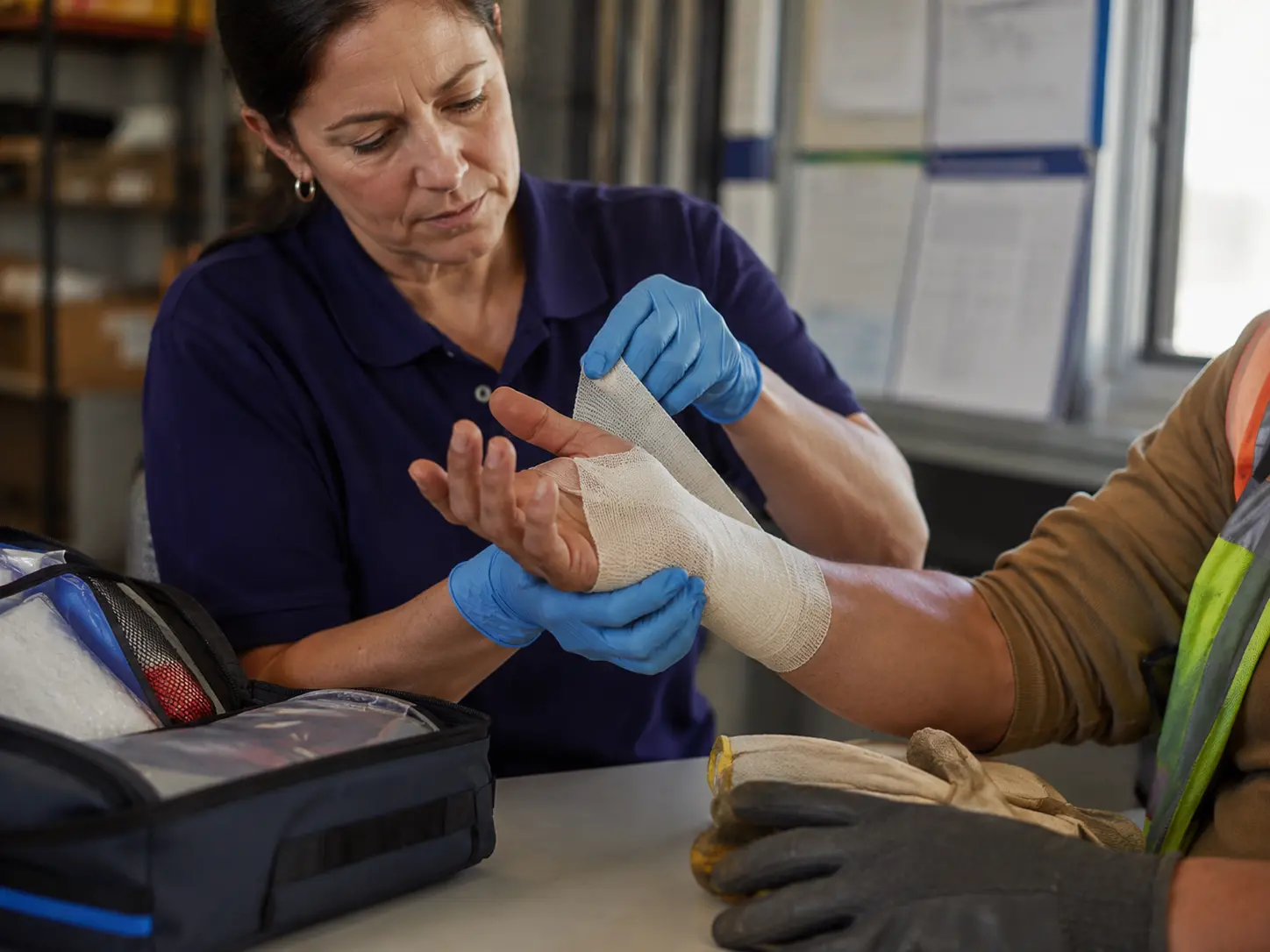
QuickCare medical professional providing on-site first aid treatment to a construction worker, demonstrating OSHA-compliant workplace injury response
medical_services On-Site Care

The True Cost of OSHA Recordable Incidents

A single recordable impacts far more than your OSHA 300 log. Understanding the full financial picture helps justify investment in prevention and proper injury response protocols.

attach_money

Direct Incident Costs

$30,000+

Industry research estimates average direct costs per recordable injury—including medical expenses, indemnity payments, and immediate productivity loss—often reach $30,000 or more. Severe cases can exceed $100,000 in direct costs alone.

Based on NSC and OSHA industry cost studies

trending_up

EMR & Premium Impact

Multi-Year Effect

Your Experience Modification Rate (EMR) reflects a rolling 3-year loss history. Multiple recordables can push your EMR above 1.0, increasing workers' compensation premiums by thousands annually—compounding over several policy years.

Workers' compensation EMR calculation methodology

gavel

Contract & Bidding Impact

EMR ≤ 1.0 Required

Many general contractors and project owners require EMR at or below 1.0 for bid qualification. High recordable rates can disqualify your company from lucrative contracts—costing far more than the incidents themselves.

Common industry prequalification standards

Understanding OSHA First Aid vs. Medical Treatment

The distinction between non-recordable first aid and recordable medical treatment is defined by OSHA regulation 29 CFR 1904.7. Knowing this line is essential for accurate recordkeeping and strategic injury management.

Why Classification Matters

Under OSHA regulations, the type of treatment provided—not the severity of injury—often determines recordability. A minor cut treated with butterfly bandages remains non-recordable, while the same cut closed with sutures becomes recordable medical treatment.

This classification system creates an opportunity: when injuries are assessed and treated by qualified professionals who understand OSHA's first-aid list, appropriate care can often be delivered without triggering recordable status.

First Aid (Non-Recordable): Wound cleaning/covering, non-prescription medications at non-prescription strength, hot/cold therapy, non-rigid supports like elastic bandages, tetanus shots, and eye irrigation.
Medical Treatment (Recordable): Prescription medications, sutures or surgical adhesives, rigid splints or casts, embedded foreign body removal, physical therapy, and positive X-rays confirming fractures.
Automatic Recordables: Any injury involving days away from work, job transfer, or work restrictions becomes recordable regardless of treatment type.
View Complete OSHA First Aid List (29 CFR 1904.7(b)(5)(ii)) expand_more

OSHA defines the following as first aid (non-recordable):

  • Using non-prescription medications at non-prescription strength
  • Administering tetanus immunizations
  • Cleaning, flushing, or soaking wounds on the skin surface
  • Using wound coverings (bandages, gauze pads, butterfly closures, Steri-Strips™)
  • Using hot or cold therapy
  • Using non-rigid supports (elastic bandages, wraps, belts)
  • Using temporary immobilization devices while transporting accident victims
  • Drilling fingernails/toenails to relieve pressure; draining fluid from blisters
  • Using eye patches
  • Removing foreign bodies from the eye using irrigation or cotton swab
  • Removing splinters or foreign material from areas other than the eye by irrigation, tweezers, cotton swabs, or other simple means
  • Using finger guards
  • Using massages (physical therapy/chiropractic treatment is NOT first aid)
  • Drinking fluids for relief of heat stress
View Medical Treatment Examples (Recordable) expand_more

The following treatments make an injury recordable:

  • Prescription medications (including prescription-strength OTC drugs)
  • Sutures, staples, or surgical adhesives for wound closure
  • Rigid splints, casts, or other rigid immobilization devices
  • Removing foreign bodies embedded in the eye
  • Removing foreign bodies from wounds if extensive incision is required
  • Physical therapy or chiropractic treatment
  • Whirlpool therapy as part of physical therapy
  • Positive X-ray diagnosis of fracture
  • Admission to a hospital or equivalent facility for treatment

Important: Regardless of treatment, injuries causing days away from work, job transfer, or restricted work duties are automatically recordable.


QuickCare clinician cleaning and bandaging a minor hand cut at an on-site first-aid station while documenting on a tablet

Treatment Classification Quick Reference

Use this reference to understand how common workplace injuries might be classified based on treatment approach.

Injury Type First Aid Approach (Non-Recordable) Medical Treatment (Recordable)
Minor Cut/Laceration Cleaned, butterfly closures, bandage Non-Recordable Sutures or surgical glue required Recordable
Sprain/Strain RICE, elastic wrap, OTC pain relief Non-Recordable Rigid brace, prescription meds, PT Recordable
Eye Irritation Irrigation, cotton swab removal, eye patch Non-Recordable Embedded object removal by physician Recordable
Minor Burn Cool water, OTC cream, sterile dressing Non-Recordable Prescription burn cream, debridement Recordable
Splinter/Foreign Body Tweezers, irrigation, simple removal Non-Recordable Surgical incision required Recordable
Heat-Related Illness Fluids, cooling, rest, monitoring Non-Recordable IV fluids, hospital admission Recordable

How QuickCare Reduces Your OSHA Recordables

Our on-site first aid model addresses the root cause of unnecessary recordables: treatment escalation at off-site facilities.

When employees are sent to urgent care or the emergency room for minor injuries, medical providers—focused on standard care protocols rather than OSHA classification—often default to treatments that cross into recordable territory. QuickCare's licensed medical professionals come directly to your worksite, assess each injury, and deliver maximum appropriate care within OSHA's first-aid parameters when clinically sound.

QuickCare medical professional arriving at worksite for rapid injury response
1

Rapid On-Site Response

When an injury occurs, call our 24/7 dispatch. We deploy the nearest licensed responder to your location—average arrival time is approximately 54 minutes. On-site assessment begins immediately, preventing the delays and escalation risks of transport to outside facilities.

  • check_circle 24/7/365 dispatch availability
  • check_circle GPS-optimized responder routing
  • check_circle Real-time ETA communication
Learn about our response model arrow_forward
QuickCare professional providing OSHA-compliant first aid treatment on-site
2

Expert OSHA-Informed Care

Our clinicians are trained in both clinical best practices and OSHA recordkeeping requirements. When medically appropriate, we deliver comprehensive care that stays within OSHA's first-aid list—wound care, non-rigid supports, cooling therapy, and more—maximizing treatment while maintaining non-recordable status.

  • check_circle Licensed EMTs and paramedics
  • check_circle OSHA classification expertise
  • check_circle Escalation protocols when needed
View our treatment approach arrow_forward
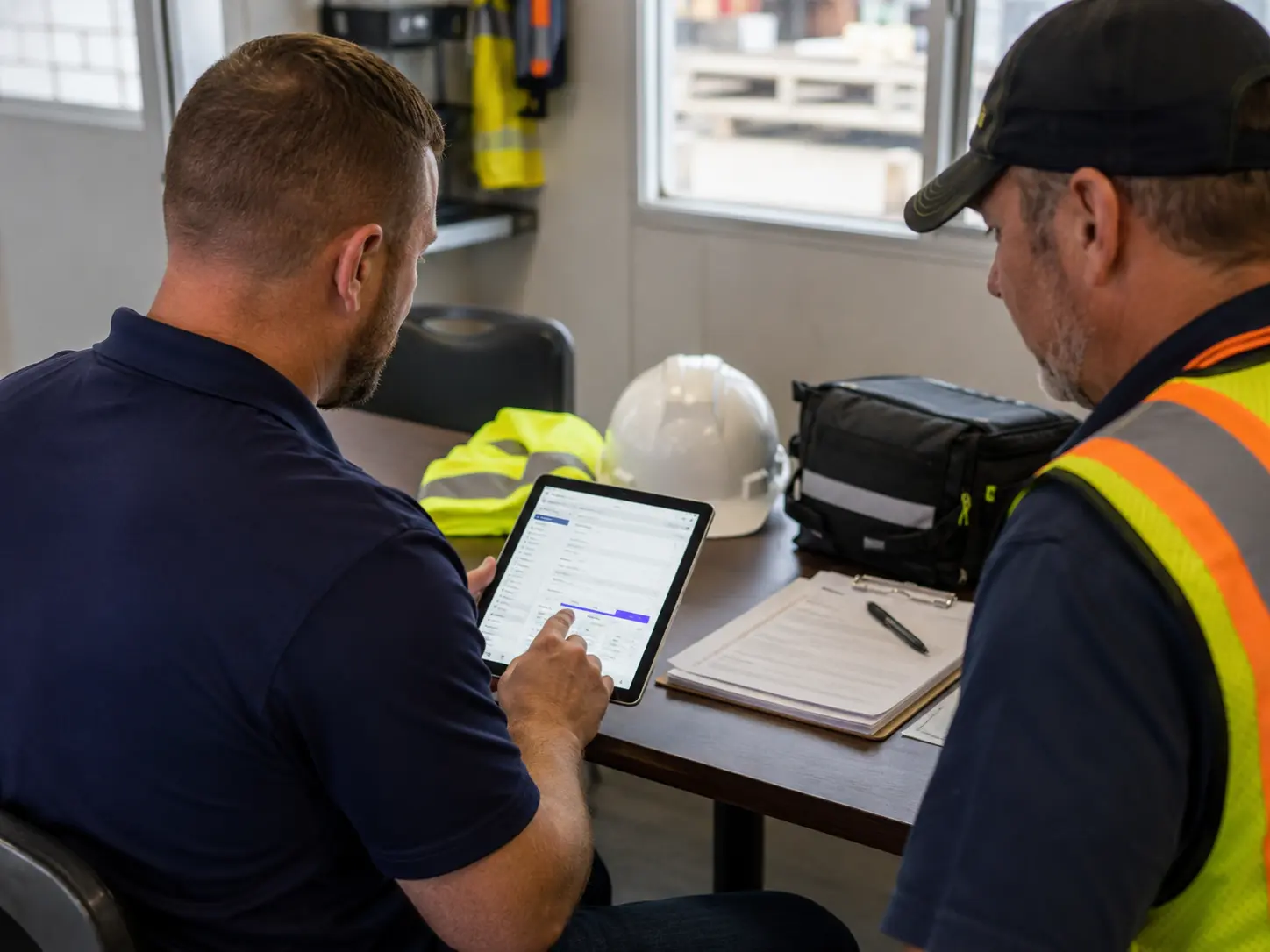
QuickCare digital documentation portal showing OSHA compliance reports
3

Compliance-Ready Documentation

Every incident generates detailed documentation explicitly classifying treatment as first aid or medical treatment per OSHA 29 CFR 1904. Reports are designed for accurate OSHA 300 log entries and provide clear evidence for audits, workers' comp claims, and compliance reviews.

  • check_circle Explicit OSHA classification
  • check_circle Secure digital portal access
  • check_circle Trend analysis reporting
Explore documentation features arrow_forward

How It Works: From Injury to Resolution

A streamlined process designed to minimize downtime and optimize injury classification.

phone_in_talk

Call Dispatch

Supervisor calls our 24/7 dispatch with location and injury description. We deploy immediately.

directions_car

Rapid Arrival

Licensed responder arrives on-site (~54 min average). You receive real-time ETA updates.

medical_services

Assessment & Care

Clinician evaluates injury, provides appropriate treatment, and determines OSHA classification.

assignment_turned_in

Documentation

Complete incident report delivered with explicit first aid vs. medical treatment classification.

Documentation That Protects Your Compliance Position

Clear, organized records designed for accurate OSHA recordkeeping and audit readiness.

Built for OSHA 300 Log Accuracy

QuickCare documentation goes beyond basic treatment notes. Every incident report explicitly indicates whether care provided qualifies as OSHA first aid or medical treatment, giving you the information needed for accurate log entries and defensible classification decisions.

  • description
    Treatment Classification Reports

    Plain-language summaries explicitly stating first aid vs. medical treatment status, aligned to 29 CFR 1904 for accurate OSHA 300 log entries.

  • folder_shared
    Secure Digital Portal

    Access all incident records, attachments, and updates from any device. Preparing for compliance reviews takes minutes, not days.

  • analytics
    Trend Analysis & Reporting

    Site-level and task-level incident trends help identify patterns, target prevention efforts, and demonstrate continuous improvement to stakeholders.

  • history
    Long-Term Record Retention

    Secure storage meets OSHA's 5-year retention requirements for injury records, with easy retrieval for audits or litigation support.

QuickCare Incident Portal dashboard showing OSHA compliance documentation and first-aid classification reports

The Financial Case for On-Site First Aid

Investing in on-site first aid response delivers measurable return through multiple channels—from direct cost avoidance to long-term insurance savings and improved contract eligibility.

  • trending_down Lower direct incident costs by treating on-site rather than at expensive ER or urgent care facilities
  • trending_down Reduced workers' comp premiums through improved EMR over multiple policy years
  • trending_down Minimized lost productivity when employees receive care on-site rather than leaving for off-site treatment
  • trending_up Maintained bid eligibility for contracts requiring EMR at or below 1.0
  • trending_up Demonstrated safety commitment that supports employee retention and recruitment

Example: Preventing One Recordable

Potential Direct Cost Avoided
$30,000+
Per incident average
Multi-Year Premium Impact
$5,000–$15,000
Annual EMR-related savings

Actual savings vary based on industry, payroll, and claims history.

Frequently Asked Questions

Get answers to common questions about OSHA recordables and on-site first aid services.

On-site first aid reduces recordables through several mechanisms:

  • Immediate expert assessment prevents minor injuries from escalating due to delayed treatment
  • OSHA-informed protocols ensure treatment stays within first-aid parameters when clinically appropriate
  • Avoided off-site visits eliminate the risk of urgent care or ER providers defaulting to prescriptions, sutures, or other recordable treatments
  • Clear documentation supports accurate classification and defensible recordkeeping decisions

The key is having qualified medical professionals who understand both clinical care and OSHA classification requirements making treatment decisions at the point of injury.

The process is designed to be simple and fast:

  1. Your supervisor or safety designee calls our 24/7 dispatch line
  2. Provide the worksite address and brief description of the injury
  3. We deploy the nearest available responder and provide an ETA
  4. Our clinician arrives, assesses the injury, and provides appropriate care
  5. You receive documentation with explicit OSHA classification

Your team can secure the area and continue operations while we handle the medical response and coordination.

  • Average response time: Approximately 54 minutes from dispatch to on-site arrival (varies by location and traffic conditions)
  • Coverage hours: 24/7/365—days, nights, weekends, and holidays
  • Service area: All nine Bay Area counties in California and Middle Georgia region
  • Priority programs: Available for high-risk or high-volume operations requiring faster response guarantees

Check your specific location's coverage on our service map.

Many common workplace injuries can be effectively treated within OSHA's first-aid parameters:

  • Minor cuts and abrasions treatable with cleaning, butterfly closures, and bandaging
  • First-degree and small second-degree burns managed with cooling and sterile dressings
  • Sprains and strains responsive to rest, ice, compression, elevation, and non-rigid supports
  • Eye irritation from non-embedded particles removable by irrigation or cotton swab
  • Heat-related illness addressed with fluids, cooling, and monitored rest
  • Superficial splinters removable by simple means

The difference between first aid and medical treatment often comes down to prompt, appropriate intervention by qualified professionals.

Employee health and safety always come first. Our clinicians are trained to recognize when injuries require escalation beyond first aid:

  • If medical treatment is clinically necessary, we coordinate transport to an appropriate facility
  • We provide a complete handoff report to receiving medical personnel
  • Documentation clearly indicates the need for escalation and recommended next steps
  • The incident will be recordable, but you'll have clear documentation of appropriate response

Our goal is optimal care with accurate classification—never undertreating an injury to avoid a recordable.

OSHA allows for reclassification when an injury's status changes:

  • If a condition worsens and subsequently requires medical treatment, the case becomes recordable at that point
  • Your initial QuickCare report documents the clinical presentation and treatment provided at the time
  • This time-stamped documentation is valuable for OSHA recordkeeping and workers' comp review
  • Reclassification is normal and expected in some cases—proper initial documentation protects your compliance position

The connection between recordables and premiums operates through your Experience Modification Rate (EMR):

  • EMR calculation: Based on your company's claims history over a rolling 3-year period (excluding current year)
  • Multiplier effect: EMR above 1.0 increases your base premium; below 1.0 reduces it
  • Persistence: A single significant claim or multiple smaller claims can elevate your EMR for several policy years
  • Compounding impact: Higher premiums compound annually until claims age out of the calculation window

Reducing recordables supports a healthier EMR trajectory, generating meaningful long-term savings that often far exceed the cost of prevention programs.

Off-site care creates several risks that on-site response eliminates:

  • Treatment escalation: Urgent care and ER providers often default to prescriptions, sutures, or referrals that cross into recordable territory
  • Lost productivity: Transport time, waiting room time, and return transport can consume half a workday or more
  • Higher direct costs: Facility fees, imaging, and specialist referrals significantly increase claim costs
  • Documentation gaps: External providers aren't focused on OSHA classification, potentially complicating recordkeeping

On-site care keeps you in control of the response while ensuring appropriate treatment by professionals who understand both clinical care and OSHA requirements.

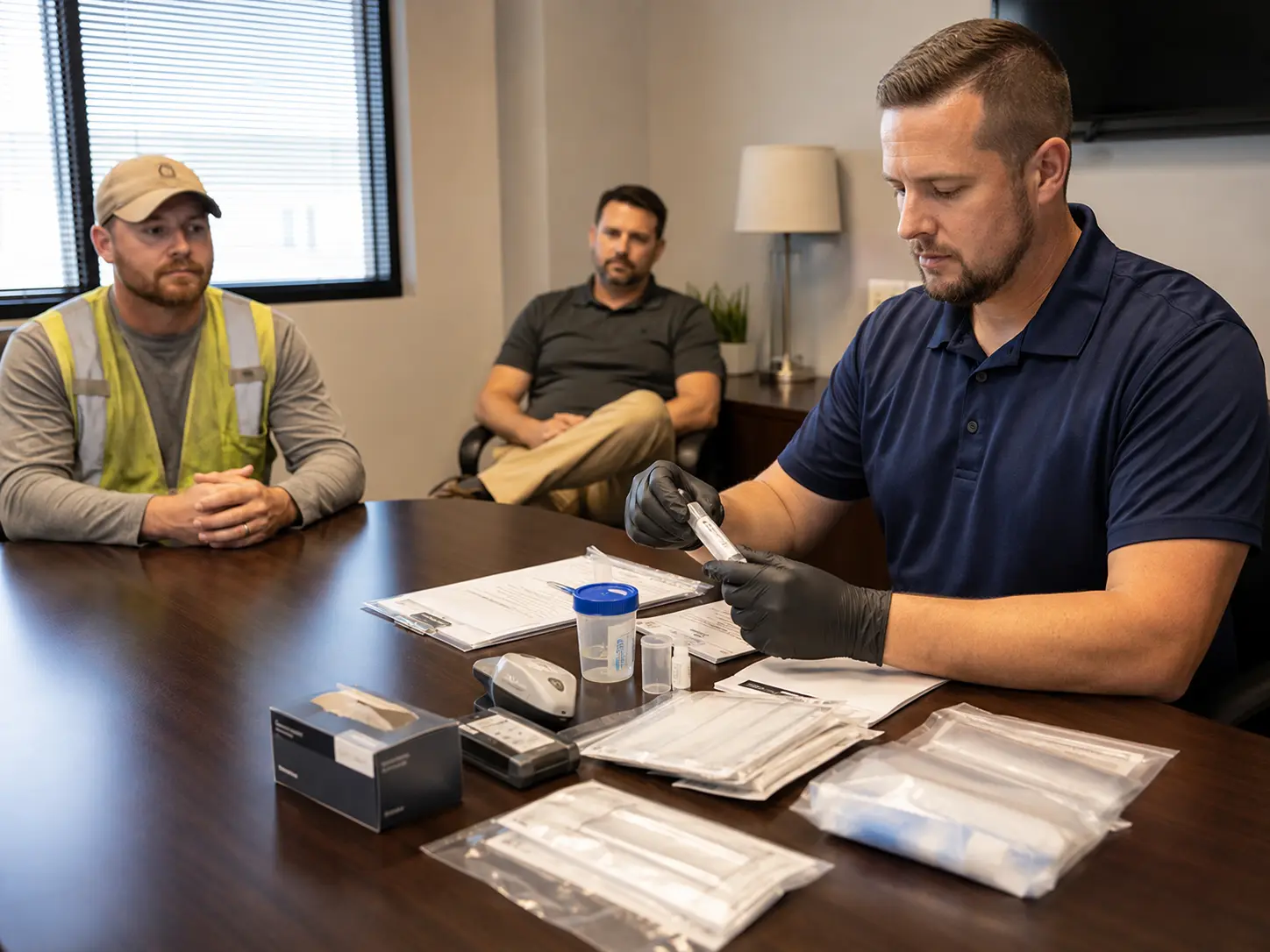
Yes. Our responders can complete post-incident testing as part of the same response:

  • Breath alcohol testing using DOT-approved evidential breath testing devices
  • Urine specimen collection for laboratory drug screening
  • Rapid on-site screening options where appropriate
  • Proper chain of custody documentation

Combining injury response with post-accident testing streamlines your workflow and ensures testing occurs within required timeframes. Learn more about our toxicology testing services.

QuickCare complements rather than replaces your internal safety program:

  • Your trained first-aid responders provide immediate care while we're en route
  • Our licensed clinicians deliver the next level of assessment and treatment
  • You maintain ownership of your safety system and protocols
  • We provide professional medical support and documentation when incidents occur
  • Trend reports help inform your prevention and training priorities

Think of QuickCare as your on-call occupational health team—available when you need professional medical response without the overhead of full-time staff.

Yes. Our mobile response model is designed specifically for organizations with changing or multiple locations:

  • No need to pre-register individual job sites
  • Simply provide the current address when you call dispatch
  • If the location is within our service zone, we respond
  • Ideal for construction, field services, logistics, and other mobile operations

Check our service map to confirm coverage for your work areas.

Protect Your Safety Record with Professional On-Site Care

Join safety-focused organizations reducing OSHA recordables, improving EMR, and minimizing the productivity impact of workplace injuries with QuickCare's on-site first aid response.

verified_user No long-term contracts required
support_agent 24/7 dispatch availability
payments Pay only when you use the service