QuickCare Solutions

Resources & Documentation

Documentation, compliance guides, and the technical reference material your safety team actually needs.

Looking for something specific?

Browse the full documentation library and knowledge base.

About QuickCare

The mission, people, and values driving our commitment to workplace-safety innovation.

Building the future of workplace safety

Learn what drives us — or join the team helping us get there.

On-Site Workplace Health & Safety for Food Plants

Food Processing & Manufacturing Safety Services

Reduce injury risk, protect production uptime, and strengthen compliance with on-site workplace health & safety services designed for food plants, cold storage, and packaging operations.

  • Line & Packaging Support
  • OSHA Program Support
  • Sanitation-Aware Response
  • On-Site & Mobile Coverage

On-site injury response

Treat common line injuries fast while supporting consistent documentation.

Respiratory compliance

Medical evals, fit testing, and training for required respirator programs.

Testing programs

Drug/alcohol testing options that reduce disruption for production teams.

Training & readiness

CPR/AED, first-aid, and hazard-focused training built for plant realities.

Safety Challenges in Food Processing Plants

Food manufacturing environments combine high-throughput production with sanitation pressure. Wet floors, cold rooms, knives and conveyors, forklifts, repetitive tasks, and strong cleaning chemicals create a risk profile that can lead to recordables, staffing gaps, and avoidable downtime.

The goal is simple: treat injuries quickly and consistently, keep documentation tight, and support a safer work culture without introducing friction for QA, sanitation, or operations.

QuickCare supports food processors across common facility types:

  • Production plants, packaging and co-packing, and distribution/cold storage
  • Bakeries, beverage bottling, frozen foods, dairy, and prepared foods
  • Sanitation teams, maintenance, and forklift/material-handling operations
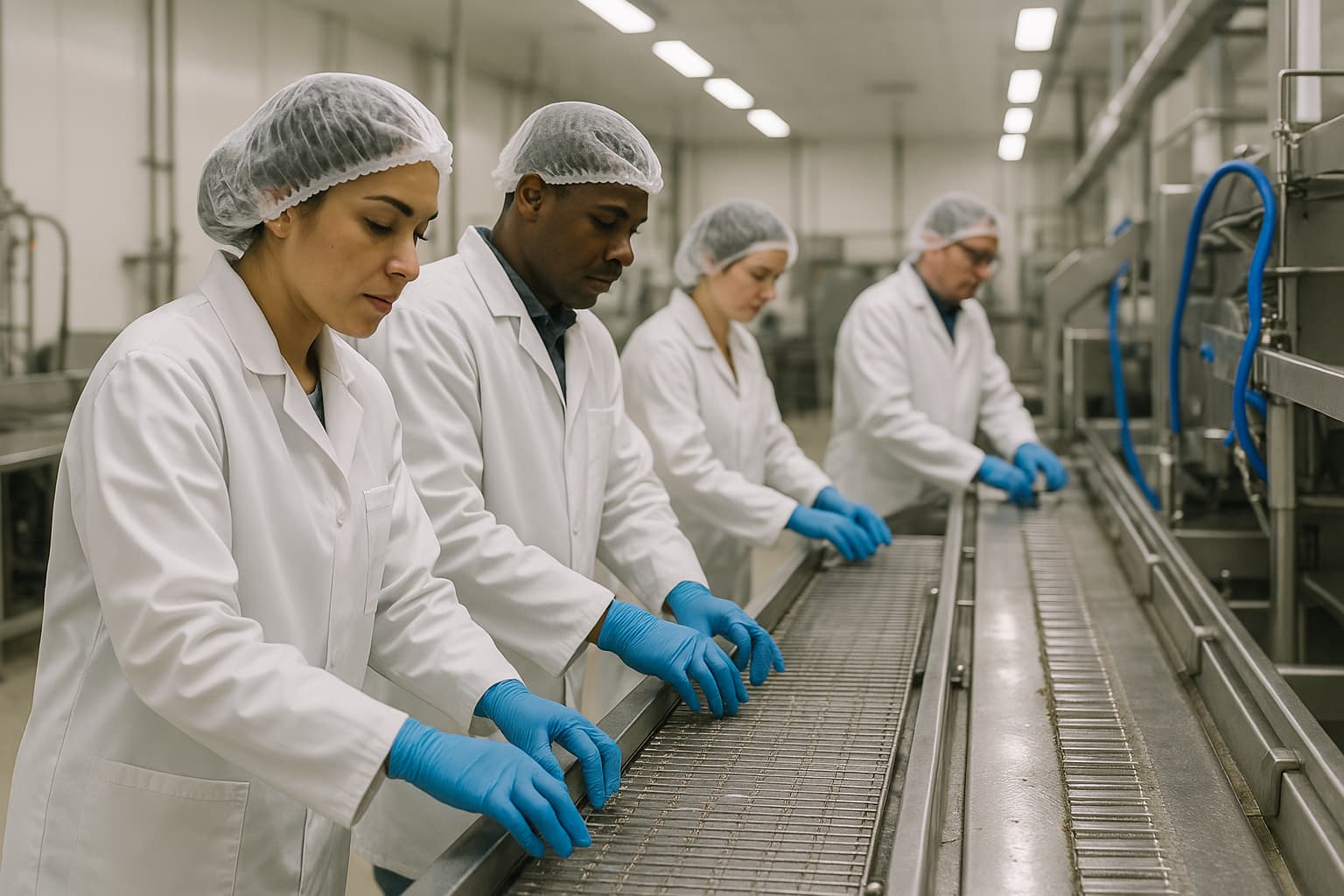
Food processing facility safety support: workers in PPE on a production line

Common Food Manufacturing Hazards

Food processing safety programs must account for sanitation cycles, high-speed equipment, and repetitive line work—often across multiple shifts and temperature zones.

Wet Floors & Slip Risk

Washdowns, spills, and condensation can turn walkways into constant slip hazards.

  • Slip-and-falls during sanitation or changeovers
  • Higher severity when slips occur near sharp tools or machinery
  • Footwear and floor-surface challenges in cold environments

Equipment, Blades & Pinch Points

Slicers, conveyors, and automated lines create acute injury potential.

  • Lacerations and punctures from blades and hand tools
  • Pinch/crush injuries around conveyors and packaging lines
  • LOTO exposure during maintenance and jams

Repetitive Motion & Strain

High repetition, gripping, and awkward reaches drive MSD risk on the line.

  • Wrist/hand irritation from cutting, trimming, and packaging
  • Shoulder and back strain from reaching and lifting
  • Tool vibration and prolonged static postures

Sanitation Chemical Exposure

Concentrates, foams, and disinfectants can irritate skin, eyes, and lungs.

  • Splashes to eyes/skin during mixing or application
  • Respiratory irritation from vapors or aerosols
  • Chemical compatibility and PPE training gaps

Cold Rooms & Temperature Extremes

Cold storage and hot processing zones introduce stress and injury risk.

  • Cold stress and reduced dexterity increasing incident likelihood
  • Burns from steam, hot surfaces, and cooking equipment
  • Heat stress during summer or high-thermal processes

Airborne Particulates & Respiratory Risk

Dusts and vapors can require respiratory protection programs.

  • Flour, spice, and ingredient dust exposure
  • Sanitation chemical aerosols during foaming/fogging
  • Refrigeration system emergency scenarios (facility-dependent)

QuickCare Safety Solutions for Food Processing

A practical, plant-ready toolkit: on-site first-aid response, respirator program support, testing options, and training— delivered with operational flow and documentation in mind.

On-Site First-Aid Response for Food Plants

QuickCare responds to workplace injuries at your facility to help you treat quickly, document consistently, and reduce the operational impact of off-site clinic trips.

  • Care for common plant incidents: minor cuts, burns, strains/sprains, irritations
  • Sanitation-aware workflows that respect controlled areas and PPE requirements
  • Clear documentation to support your internal reporting and follow-up
  • Options for on-site staffing during peak shifts or high-risk operations

Respirator Fit Testing & Medical Evaluations

If your hazard assessment requires respirators (dust, aerosols, vapors, or emergency response), QuickCare supports the medical evaluation, fit testing, and training needed for a compliant program.

  • Fit testing for common respirator types used in plants and maintenance
  • Medical evaluations through licensed providers (as required)
  • Training support for proper use, limitations, and care
  • Documentation that’s easy to file and retrieve for audits

Drug & Alcohol Testing for Safety-Sensitive Roles

Support a safer workplace around forklifts, conveyors, and high-speed equipment with drug and alcohol testing options that can be coordinated to reduce disruption across shifts.

  • Pre-employment, random, reasonable suspicion, and post-incident options
  • On-site/mobile collection to reduce travel time
  • Help building a consistent process for supervisors and HR
  • Chain-of-custody and documentation support

CPR/AED, First-Aid & Plant-Focused Training

Training built to match plant constraints—multiple shifts, mixed experience levels, and role-specific hazards—delivered on-site to keep participation high.

  • CPR/AED & first-aid training for emergency readiness
  • Hazard-focused training options (chemical safety, body mechanics, LOTO awareness)
  • Scheduling support for multiple shifts and departments
  • Training records your team can file for compliance tracking

Example Impact for Food Manufacturing Teams

Every facility is different. The goals below reflect common outcomes safety leaders target when adding consistent on-site response and program support.

Operationally-Realistic Safety Improvements

In food processing, an “injury event” is rarely just medical—it can trigger downtime, sanitation resets, staffing gaps, and documentation stress. QuickCare helps standardize the response workflow so your team can act fast and stay consistent across shifts.

Typical program focus areas include reducing off-site clinic trips for minor injuries, improving incident documentation quality, and increasing early reporting for repetitive strain symptoms before they escalate.

25%

Target reduction in off-site clinic trips (site-dependent)

30%

Goal: fewer repeat incidents via consistent follow-up

40%

Goal: earlier reporting for strain/overuse symptoms

60%

Goal: faster closeout of documentation and action items

Food manufacturing safety response: supervisor and responder reviewing a documented incident workflow

Dual Focus: Worker Safety + Food Safety Controls

Food plants often operate under both workplace safety requirements and strict internal food safety programs. QuickCare is built to operate within controlled environments while supporting consistent incident response.

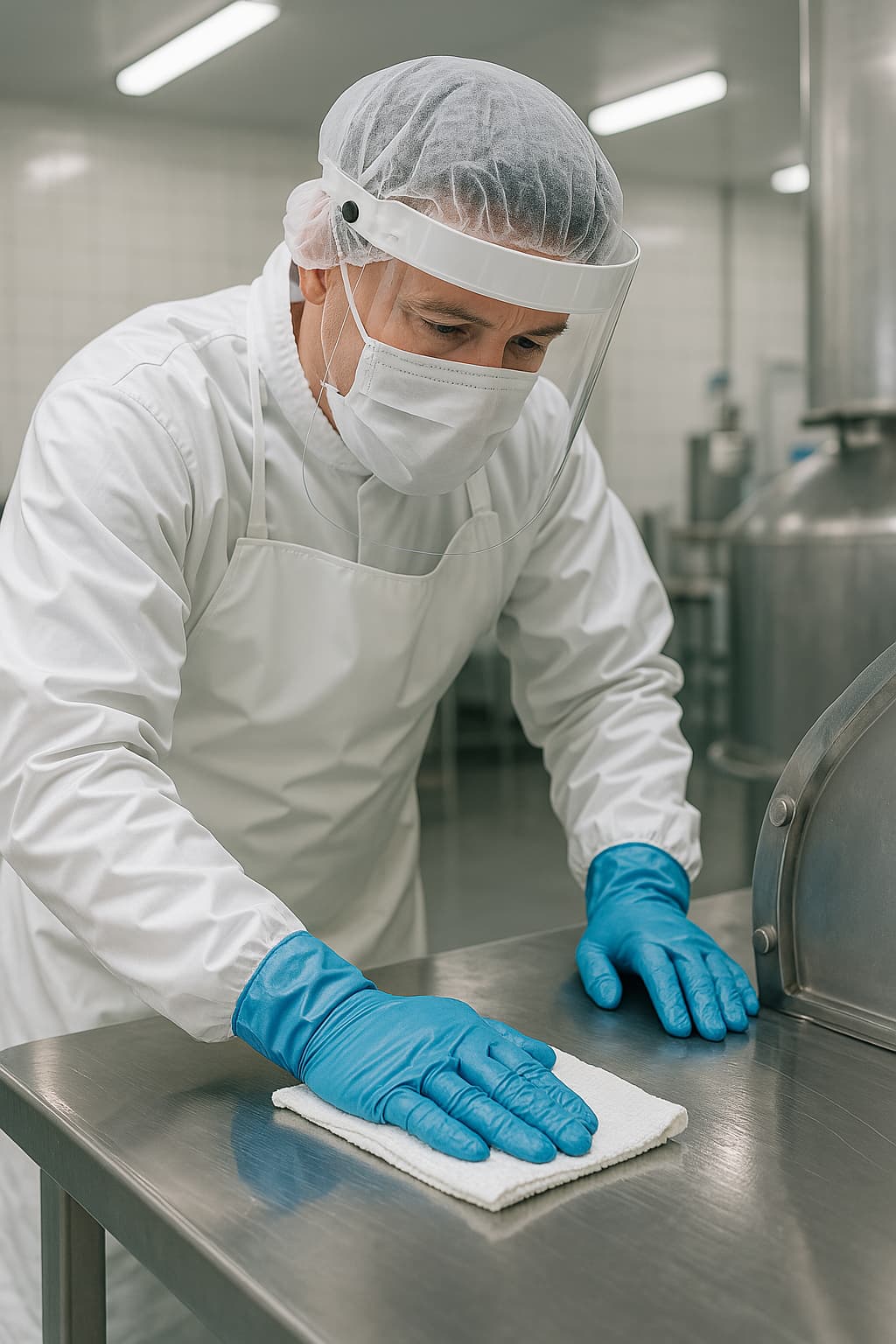
Food processing compliance support: worker in PPE in a clean manufacturing environment

Plant-Ready Response That Respects Controlled Areas

When an injury happens on the line, your team needs fast care without creating preventable cross-contamination risk or operational confusion. QuickCare works with your site rules (PPE, access control, sanitation expectations) and supports documentation that’s easy to file and retrieve.

  • Workflows that respect controlled areas, PPE rules, and sanitation constraints
  • Support for OSHA program needs like respiratory protection requirements and training
  • Clear documentation that helps your team stay organized during audits and investigations
  • Shift-friendly delivery for plants operating 24/7 or across multiple departments
  • Practical escalation pathways when higher-level care is appropriate

The result: fewer surprises during injury events, better follow-through, and a safety program that works with operations—not against it.

What Food Plant Safety Teams Prioritize

These are common requirements safety and operations leaders look for when evaluating a partner for food manufacturing safety support.

Operational Fit

“We need injury response that doesn’t create chaos on the line—fast, consistent, documented, and respectful of controlled areas.”

Minimize downtime and keep supervisors aligned.

Audit-Ready Documentation

“Respirator programs fail when records are messy. We want fit testing and medical evals that are easy to schedule and easy to audit.”

Keep compliance simple across shifts.

Shift-Friendly Delivery

“Training has to match our reality: multiple shifts, mixed roles, and hazards that change between sanitation, production, and maintenance.”

High participation without stopping production.

Frequently Asked Questions

Answers to common questions about workplace safety services for food processing plants, manufacturing, and cold storage operations.

How does QuickCare support hygiene requirements during first-aid response?

QuickCare operates with controlled environments in mind. Care is coordinated with your site rules (PPE, access control, sanitation expectations), and documentation captures relevant hygiene steps for your internal audit trail.

When appropriate, response is staged away from exposed product areas and coordinated with supervisors to keep operations stable.

What injuries can QuickCare treat on-site in a food processing facility?

QuickCare commonly supports minor cuts and lacerations, burns, strains/sprains, repetitive-motion aggravations, minor chemical splashes/irritations, eye irritations, and slip-and-fall injuries.

If symptoms warrant a higher level of care, QuickCare can help guide escalation and document the event for your safety process.

How fast is QuickCare response?

Response times vary by location, traffic, and the type of coverage you choose. For higher-volume operations, QuickCare can support scheduled on-site staffing during peak production windows or high-risk work periods.

During consultation, we align coverage to your shifts, risk profile, and facility layout.

Why would our facility need respirator fit testing?

If employees are required to wear respirators for dusts, aerosols, or chemical vapors, OSHA respiratory protection requirements apply. Food manufacturing can also involve tasks that trigger respirator needs during maintenance, sanitation, or emergency scenarios (facility-dependent).

QuickCare supports medical evaluations, fit testing, and training so your program stays compliant and audit-ready.

Can QuickCare help reduce repetitive motion injuries in food manufacturing?

Yes. Food processing lines frequently see overuse symptoms (hands, wrists, shoulders, and back). QuickCare supports early reporting and consistent care workflows, and can also provide training and practical recommendations aligned to plant constraints.

The goal is early intervention and consistent documentation so issues are managed before they escalate.

How does on-site testing reduce disruption for production teams?

On-site/mobile collection reduces travel time and can be coordinated around shift changes and planned breaks. For random testing programs, many facilities prefer smaller batches to keep lines staffed.

QuickCare supports consistent processes and documentation to keep supervisors and HR aligned.

Build a Safer Food Processing Operation

QuickCare helps food manufacturers improve response consistency, strengthen documentation, and support compliant programs—without slowing production. Talk to a safety specialist about coverage options for your plant.