Qualitative vs. Quantitative Respirator Fit Testing: Which One Do Employers Need?
Two methods, two ways of answering the same question. Here is what separates qualitative and quantitative fit testing, in language an employer can act on.
The short version
- Qualitative fit testing is a pass/fail based on whether the wearer can detect a test agent.
- Quantitative fit testing produces a measured fit factor using instrumentation.
- The respirator type and your work context drive which method is appropriate.
- Both produce documentation; the method you need depends on the respirator and program.
Who this is for: EHS managers and operations leaders choosing or understanding a fit testing method.
When employers ask which fit testing method they need, the honest answer starts with the respirator. The two methods — qualitative and quantitative — answer the same underlying question (does this respirator seal on this person?) in two different ways, and the right choice depends on the respirator and how it is used.
This guide explains each method in plain English, lays them side by side, and walks through the factors that actually drive an employer's decision — without overstating what any one method legally requires.
Qualitative fit testing, in plain English
Qualitative fit testing is a pass/fail method. It relies on the wearer's senses: a test agent (something with a distinct taste, smell, or that provokes a reaction) is introduced around the respirator while the employee performs a set of movements. If the wearer cannot detect the agent, the respirator passes; if they can, it fails.
- It produces a clear pass or fail, not a number.
- It is often faster per person, which can mean more people per block.
- It is commonly used with certain tight-fitting half-mask respirators.
Quantitative fit testing, in plain English
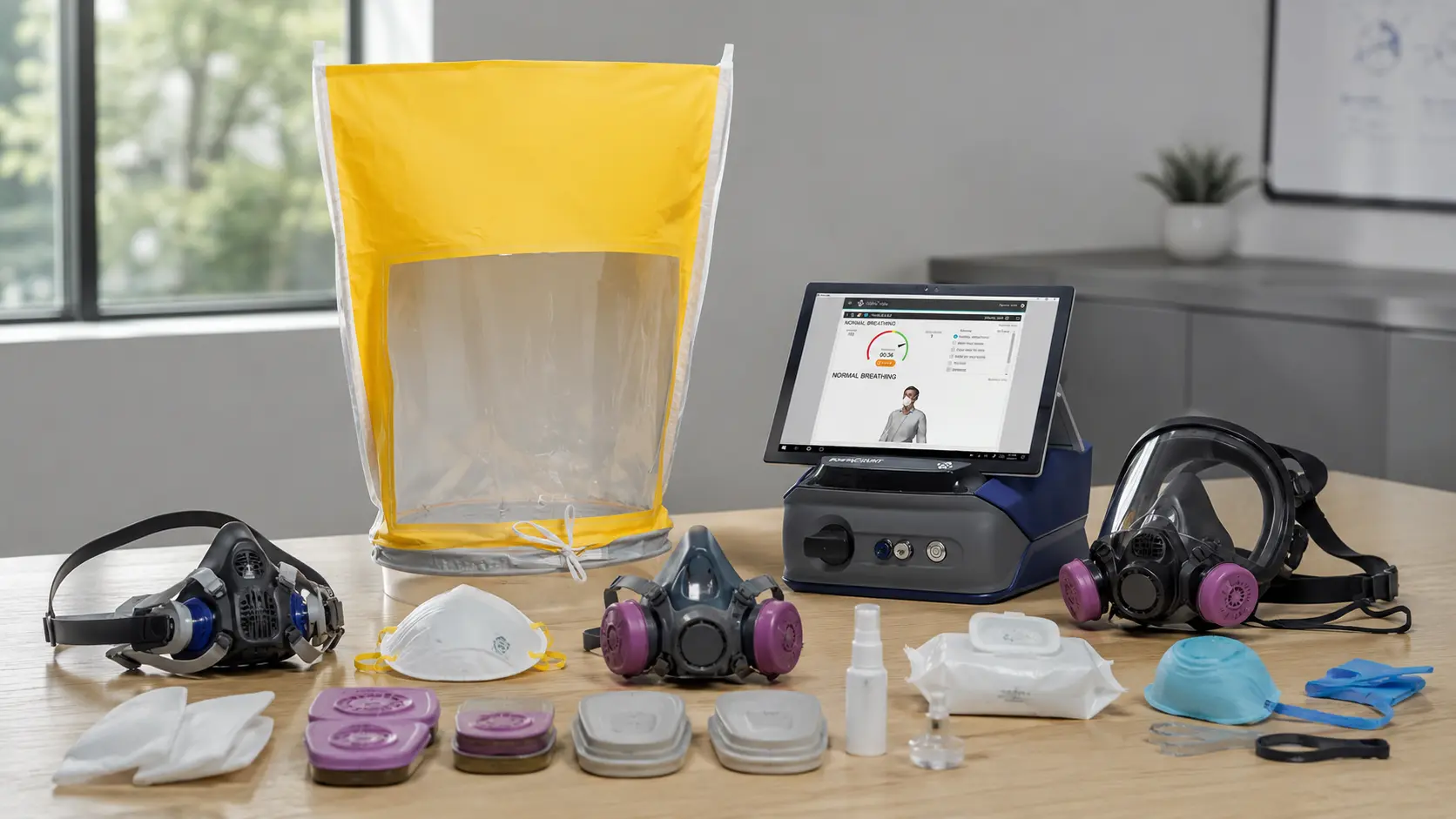
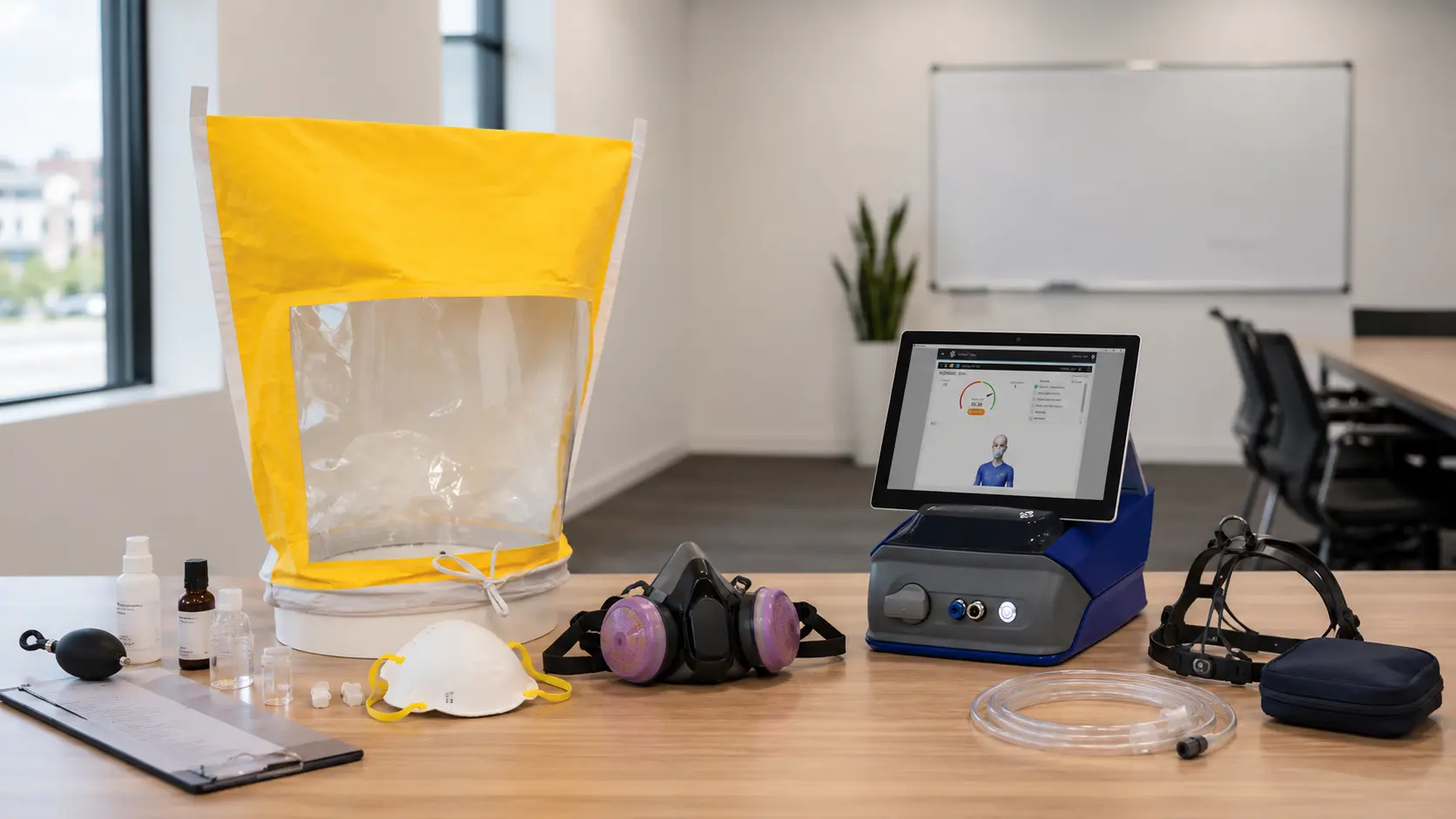
Quantitative fit testing measures the seal instead of relying on the wearer's senses. Using instrumentation, it produces a numerical fit factor that expresses how well the respirator sealed during the test exercises.
- It produces a measured result, not just pass/fail.
- It typically takes longer per person, so plan more time per employee.
- It is used across a broader range of respirators, including full-facepiece types.
Side by side, for planning
| Qualitative | Quantitative | |
|---|---|---|
| What it produces | A pass or fail | A measured fit factor (a number) |
| How it works | Wearer detects (or does not detect) a test agent | Instrumentation measures the seal |
| Relative pace | Often faster per person | Typically longer per person |
| Documentation output | Pass/fail result for the respirator tested | Numerical fit factor plus pass/fail |
| Practical limitation | Suited to certain respirator types | More setup and equipment per person |
Not sure which method your respirators call for?
Tell QuickCare the make and model your team wears and we will help confirm the right fit testing method and plan it on-site.
Employer decision factors
You rarely "pick" a method in the abstract — these factors point you to the right one.
What drives the choice
- The respirator type your employees are assigned (this is the biggest factor)
- How the respirator is used in your work context
- Whether a measured fit factor is needed or a pass/fail is sufficient
- Throughput — qualitative often moves faster per person
- The documentation your program expects to keep
Why the assigned respirator and work context matter
The method is downstream of the respirator. The make, model, and class of respirator your employees actually wear — and how they wear it on the job — largely determine which fit testing method applies. That is why documenting the assigned respirator before a visit matters so much (the pre-visit checklist covers exactly that), and why throughput estimates differ by method (see how many employees per hour).
If you are unsure which method fits your respirators, that is a good conversation to have during scheduling — we can talk it through against your specific respirators and work.
Keep the requirements in their lane
Which method is acceptable for a given respirator is governed by the respiratory-protection standard that applies to your workplace, and requirements vary by respirator type and jurisdiction. This guide is consultative, not a compliance determination. QuickCare supports your respiratory-protection documentation and helps you plan testing — we do not guarantee any OSHA or Cal/OSHA outcome. Confirm method requirements for your respirators with your EHS team and the applicable standard.
Frequently asked questions
Which method is "better"?
Can we choose whichever method is faster?
What is a fit factor?
Do the two methods produce different documentation?
Not sure which method fits your respirators?
Tell us the respirators your team wears and we will help you plan the right fit testing method on-site.
Talk through your respirators arrow_forward