person_add Create An Account phone Call 1-888-250-4659
lightbulb_outline

Workplace Safety Solutions

Comprehensive solutions designed for your industry's specific risks and operational needs.

new_releases New

OSHA Recordable Reduction

Proactively lower your OSHA recordable incident rate with our expert on-site response and documentation services.

Learn More arrow_forward

Solutions by Use Case / Need

Most Popular
location_on
On-Site Services

Access safety and health services directly at your worksite for ultimate convenience and efficiency.

trending_down
OSHA Recordable Reduction

Improve safety ratings and lower costs by proactively managing and reducing recordable incidents.

local_fire_department
Emergency Response

Deploy our rapid response teams for immediate medical care during workplace emergencies.

gavel
Liability Reduction

Mitigate risks with pre-employment health screenings and compliant documentation.

no_drinks
Drug-Free Workplace

Implement comprehensive substance use testing programs to maintain a safer workplace.

favorite_border
Life-Saving Training

Equip your team with CPR/AED & First-Aid training for vital emergency preparedness.

Recommended
medical_services
On-Site First Aid

Benefit from immediate first aid response available directly at your workplace.

verified_user
DOT Drug & Alcohol Testing

Meet Department of Transportation drug testing regulations efficiently and accurately.

masks
Respirator Fit Testing

Ensure respiratory protection meets safety standards with our certified testing services.

science
On-Site Drug Testing

Utilize our convenient, accurate drug screening services performed at your location.

Trending
wb_sunny
Heat Illness Prevention

Protect workers from heat stress with proactive monitoring and prevention programs.

Solutions by Industry

Top Industry
precision_manufacturing
Manufacturing

Implement comprehensive safety protocols for production facilities with our expertise.

construction
Construction

Address unique site risks with specialized safety services for the construction sector.

High Demand
warehouse
Warehouse & Distribution

Enhance safety in logistics and storage facilities with our targeted solutions.

local_shipping
Transportation

Ensure DOT compliance and operational safety in logistics and transit operations.

set_meal
Food Processing & Mfg

Ensure compliance and worker safety in food production with specialized services.

format_paint
Painting Contractors

Address specific hazards faced by painting professionals with our safety programs.

local_hospital
Healthcare

Enhance safety standards in medical and care environments with our tailored programs.

biotech
Laboratory Safety

Implement specialized protocols to manage risks in laboratory environments.

Solutions by Organization Type

Enterprise-Grade
business
Enterprise

Deploy scalable, comprehensive safety solutions across large organizations.

Growing Segment
store
Small & Medium Business

Access tailored, affordable safety solutions designed for SMB needs.

account_balance
Public Sector

Implement robust safety programs for government agencies and institutions.

rocket_launch
Startups

Build a strong safety foundation from the ground up with our flexible solutions.

price_check

Flexible Pricing

Transparent, pay-as-you-go pricing with no hidden fees. Find the right plan for your business size and needs.

travel_explore

Service Coverage Map

Visually explore our service areas, check response times, and see how we support your industry across the Bay Area.

Initializing Map...
Legend
Active Service Area
Limited Service
place
Counties Served
9
groups
Population Covered
7.6M+
av_timer
Avg. Response
54 min
Methods & Troubleshooting

Common Reasons Employees Fail a Respirator Fit Test

Most failed fit tests come from a short list of fixable causes. Knowing them ahead of time turns re-tests into rare exceptions instead of schedule-wreckers.
7 min read Updated June 16, 2026 Reviewed by QuickCare Field Operations
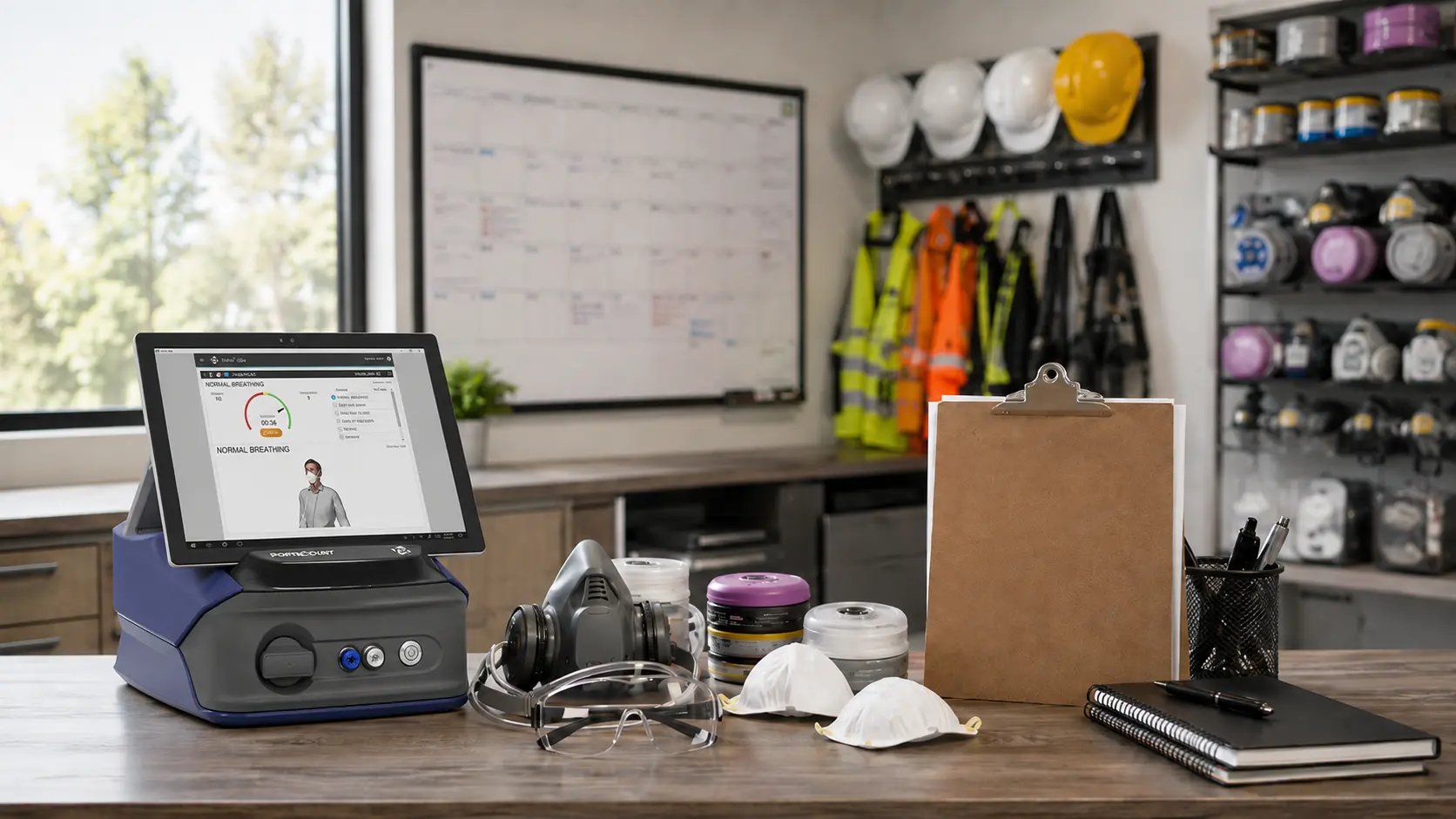
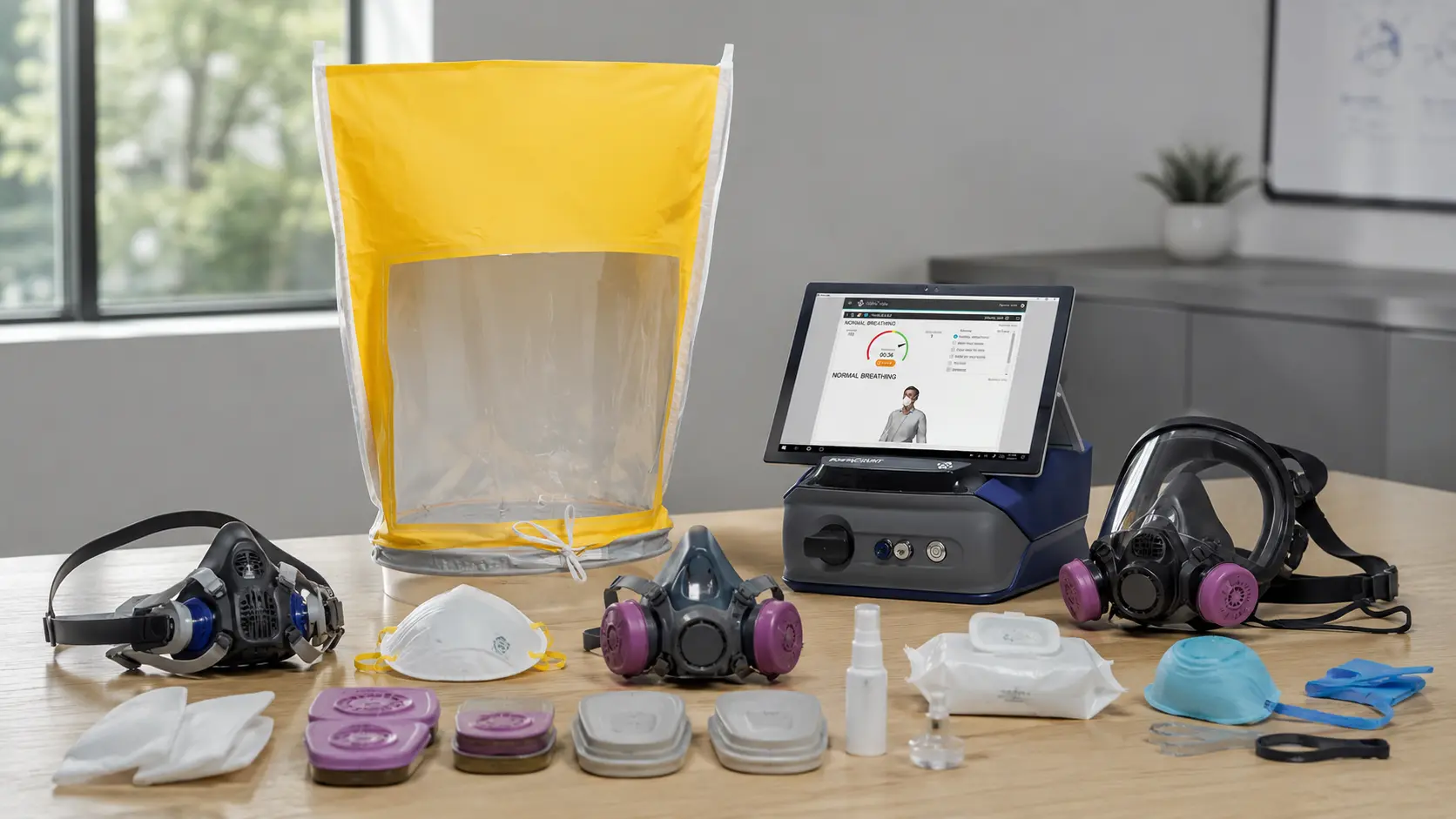
Respirator fit testing troubleshooting station for employees

The short version

  • A failed fit test usually means a seal problem, not a defective employee or respirator.
  • Facial hair at the seal, the wrong size, and the wrong model for a face shape are the big three.
  • Most causes can be headed off before the visit with a heads-up to employees.
  • A fail is not a dead end — it is a prompt to adjust and retest.

Who this is for: EHS managers, supervisors, and HR coordinators preparing a crew for fit testing.

A fit test answers one question: does this respirator seal on this person's face? When the answer is "no," it is rarely mysterious. The same handful of causes account for most failures, and nearly all of them are preventable with a little preparation.

This guide walks through why employees fail, what each cause looks like, how to prevent it before the visit, and what actually happens when someone does not pass.

Why employees fail — and how to prevent it

Each of these breaks the seal between the respirator and the face. Most can be fixed before the tester ever arrives.

Reason for failure What is happening How to prevent it
Facial hair at the seal Stubble or a beard crosses where the respirator meets the face Ask employees to be clean-shaven at the seal area on test day
Wrong respirator size The facepiece is too large or too small to seal Have sizes available; size to the person, not the supply closet
Wrong model for the face shape The model simply does not match this person's facial structure Be ready to try an alternate model when one will not seal
Poor donning technique The respirator is put on incorrectly Train employees to don the assigned respirator before the visit
Strap placement issues Straps too loose, too tight, twisted, or mispositioned Coach correct strap tension and position during donning
Damaged or dirty respirator A cracked seal, worn straps, or buildup prevents a clean seal Inspect and clean (or replace) respirators before testing
Medical clearance not complete The employee has not completed clearance, which must come before the fit test Coordinate clearance online before or during the visit — QuickCare texts a link and reviews it before testing
Not trained on the assigned respirator The employee is unfamiliar with this specific respirator Make sure people are trained on the exact model they will wear

How employers can prepare before the visit

A two-line note to employees a few days out prevents most of the failures above.

Tell employees ahead of time

  • Be clean-shaven where the respirator seals on test day
  • Know which respirator you are assigned and how to put it on
  • Bring or have access to your assigned respirator, clean and undamaged

On the employer side

  • Coordinate medical clearance — QuickCare can text employees a link before or on the day of the visit
  • Have a range of respirator sizes (and an alternate model) available
  • Build a retest buffer into the day for anyone who needs a second try

Want fewer surprises on test day?

QuickCare can send a short, plain-language prep note so employees arrive clean-shaven, trained on their respirator, and ready to pass.

Prep employees before the visit

What happens when someone fails

A failed fit test is a normal, expected part of a testing day — not a problem to hide. When an employee does not pass, the usual next steps are practical:

  • The tester identifies the likely cause — often facial hair, fit, or donning.
  • The fixable issue is addressed (re-don, adjust straps, try a different size or model).
  • The employee is retested, which is why a buffer in the schedule matters.
  • If it cannot be resolved on the day, the employee should not rely on that respirator until a passing test is recorded.

Planning for a few retests is exactly why the throughput guide recommends a buffer, and why a complete on-site fit testing day leaves room at the end.

Frequently asked questions

Facial hair that crosses the area where the respirator seals against the face will generally prevent a proper seal and lead to a failed test for a tight-fitting respirator. Asking employees to be clean-shaven at the seal on test day prevents the most common failure outright.

Yes — when a model does not match an employee's face, trying a different size or model is a normal part of the process. Having alternates on hand keeps a fail from becoming a wasted appointment.

It varies, but most failures come from preventable causes like facial hair, sizing, or donning. A short heads-up to employees before the visit keeps re-tests to a small number — plan a buffer rather than assuming zero.

Your documentation should reflect the testing that occurred. The important record is that the employee ultimately has a passing fit test for the respirator they will wear; until then, they should not rely on that respirator.

Want fewer re-tests on your next visit?

We help employers prep their crew so the testing day moves quickly and passes the first time wherever possible.

Plan a smoother testing day